
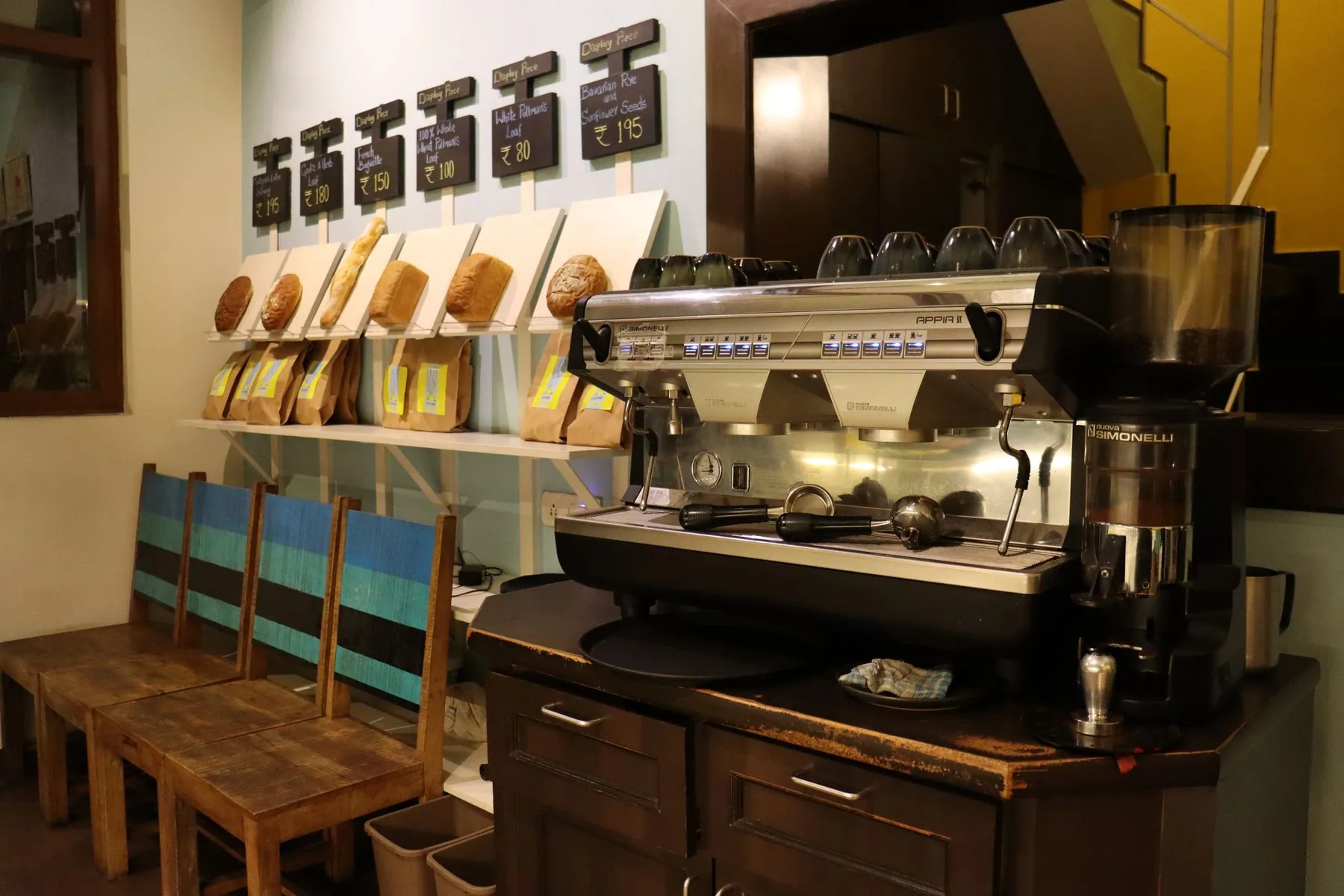
Espresso machine and equipment
Their consumption is already part of the electricity bill: it is not added a second time.
Bars and cafés
Know the emissions of your energy consumption, reduce where possible, and consider offsetting by supporting documented projects.
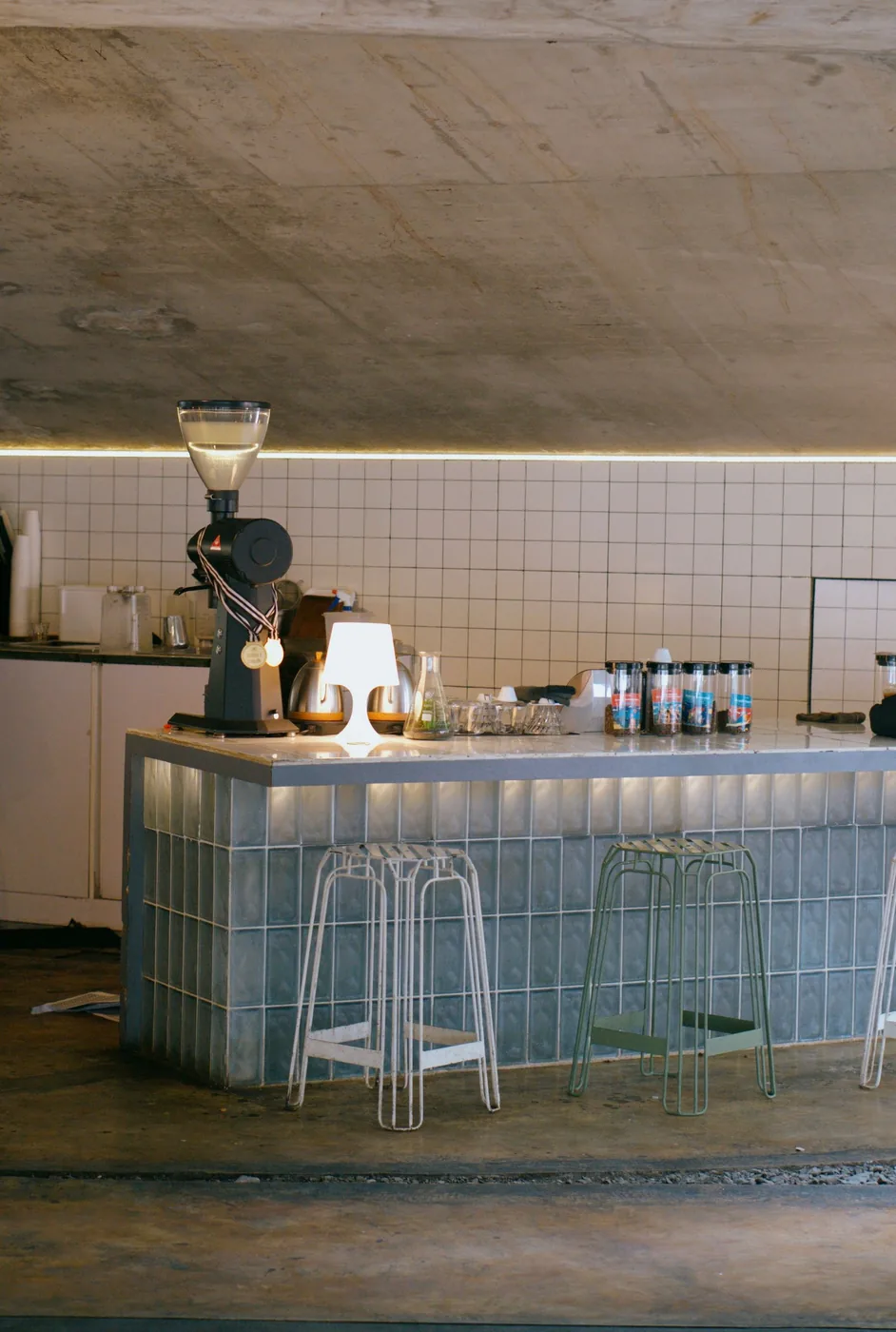
The venue in operation
The bill combines many uses together. The calculator avoids adding up individual appliances again.
Their consumption is already part of the electricity bill: it is not added a second time.
Energy is included in the bill; any refrigerant leaks require separate technical data.
Dishwashers, hot water and preparation affect consumption through electricity or fuels actually declared.
Lighting and comfort of the venue are included in annual consumption, without estimates per individual appliance.

Twelve full months allow you to understand seasonality, air conditioning and the bar's real pace.
From data to action
Collect twelve months of bills and separate the energy sources actually used.
Calculate the CO₂ of consumption with stated factors, units and year.
Review hours, temperatures, maintenance and equipment without duplicating consumption.
After reduction, the remaining emissions can be complemented by documented projects and retirements.
Offsetting complements emission reduction. The calculator's result does not prove that a contribution or retirement took place.
Bar calculator
Enter your bills' annual data. Empty fields remain excluded; no standard consumption is attributed to a cup.
Transparent method
For each source we apply annual consumption × kg CO₂ factor per unit. We only sum results expressed in the same CO₂ indicator. We do not arbitrarily convert m³ into kWh and do not include WTT or life cycle.
| Source | Factor | Year and geography | Boundary | Source row |
|---|---|---|---|---|
| Elettricità acquistata | 0,1926 kg CO₂/kWh | 2024 definitivo Italia, consumo nazionale | CO₂ della produzione elettrica consumata | ISPRA, Rapporto 430/2026 — allegato «FE_energia_elettrica_2025-V2.xlsx», foglio «9», colonna «Consumi elettrici», riga anno 2024 (192,595 g CO₂/kWh); verificato sul file ufficiale il 2026-09-15 |
| Gas naturale | 2,02231 kg CO₂/m³ | 2026 Regno Unito (proxy) | CO₂ diretta da combustione | DESNZ 2026, flat file «ghg-conversion-factors-2026-flat-format-revised.xlsx», foglio «Factors by Category», ID 1_100_1004_1_2 (kg CO₂e of CO₂ per unit); verificato sul file ufficiale il 2026-09-15 |
| Gas naturale — potere calorifico superiore | 0,18194 kg CO₂/kWh PCS | 2026 Regno Unito (proxy) | CO₂ diretta da combustione | DESNZ 2026, flat file «ghg-conversion-factors-2026-flat-format-revised.xlsx», foglio «Factors by Category», ID 1_100_1004_6_2 (kg CO₂e of CO₂ per unit); verificato sul file ufficiale il 2026-09-15 |
| GPL | 1,55491 kg CO₂/litri | 2026 Regno Unito (proxy) | CO₂ diretta da combustione | DESNZ 2026, flat file «ghg-conversion-factors-2026-flat-format-revised.xlsx», foglio «Factors by Category», ID 1_100_1003_8_2 (kg CO₂e of CO₂ per unit); verificato sul file ufficiale il 2026-09-15 |
Purchased electricity and on-site combustion of the stated sources over twelve months.
Coffee, milk, ingredients, refrigerants, packaging, waste, deliveries, equipment and life cycle.
Electricity: final Italian national consumption factor for 2024 from ISPRA, 192.6 g CO₂/kWh, i.e. 0.1926 kg CO₂/kWh. Natural gas and LPG: only the Scope 1 CO₂ component from DESNZ 2026 used as a UK proxy, respectively 2.02231 kg/m³, 0.18194 kg/kWh GCV and 1.55491 kg/l. No WTT.
From the counter to people
In the agreed journey, customers can choose to take part; the till prints a code on the receipt to redeem online. Compatibility and configuration must be checked for each system.
Frequently asked questions
We assess together data, reduction, offsetting and documentation.